


We offer a range of physiotherapy services tailored specifically for you. Below, we outline some of the many services that we can offer. If there is a service you are looking for that is not mentioned here, please contact us to see if we are able to provide it.

Manual physiotherapy
Manual physiotherapy for any musculoskeletal pain. In particular, areas commonly painful with pregnancy and new mummies.
Neck: common with breastfeeding and poor posture
Upper (Thoracic) Spine: common with holding your baby, breastfeeding and poor sitting postures
Lower (Lumbar) Spine: common during pregnancy and as a new mother due to loosened ligaments, pregnancy posture and abdominal weight gain and reduced strength due to decreased activity
Pelvis: common during pregnancy and as a new mother due to loosened ligaments and reduced strength due to decreased activity
Tail bone (Coccyx): coccyx dislodgement can occur with normal vaginal delivery causing pain with sitting, sex etc. Physiotherapy can treat the coccyx and pelvic floor which the coccyx attaches to
Carpal Tunnel Syndrome: wrist pain, numbness, tingling and swelling common in pregnancy if you suffer from swelling
Hand pain such as De Quervain’s syndrome is common with lifting your baby all the time
Muscle cramps and lower limb swelling is common in the third trimester which we can help you with also

Mastitis
Diagnosing if the breast tissue has a blocked duct, is inflamed or infected and advise on the appropriate treatment
Education on self massage and other appropriate treatment
Treatment with ultrasound if required
Abdominal Separation (Linea Alba) Assessment and Treatment
Separation of the abdomen happens often during pregnancy and you need to make sure it has closed before resuming some exercises otherwise the separation can get worse and sometimes irreparable
Progressive individualised exercise programs can be designed by a physiotherapist to help the separation close and strengthen
The sooner this is assessed and treated the more chance the separation has of coming together. Assessment in the first few days post birth is ideal and if left later than 4 weeks, the chances of the muscles reknitting and functionally optimally are affected.
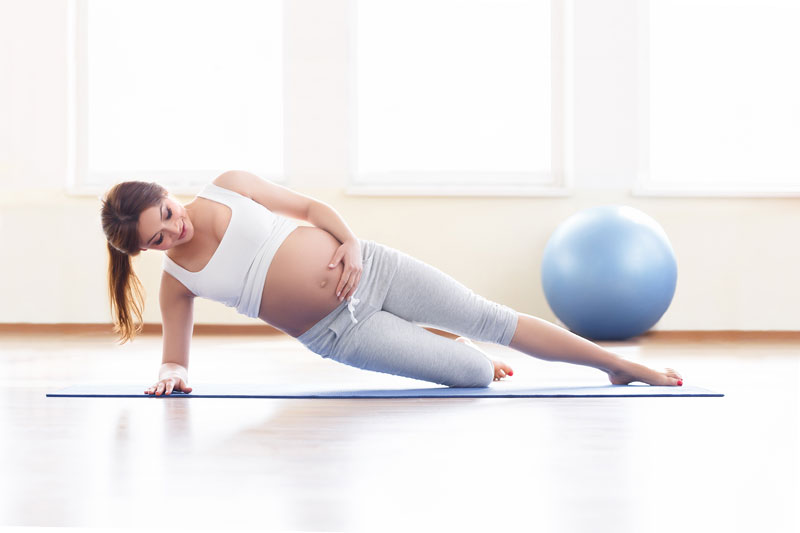
Core Assessments, Education and Training
Learn how to properly activate your core to avoid switching on your core incorrectly and doing more damage to your back than good
Strengthen your core to support weakened pregnancy ligaments and your back and pelvis
Strengthen your core to support good posture and help you lift your baby now and keep up with them later down the track.
Pelvic Floor Assessments, Education and Training
Learn how to strengthen and relax your pelvic floor, not only for after child birth but to relax the pelvic floor during child birth to make childbirth easier with potentially less risk of perineal tears, long term scar damage and prolapses
Learn how to re-educate your pelvic floor after child birth. Perineal tears, stretching or nerve damage on vaginal delivery can make it hard to activate your pelvic floor that has most likely weakened
Continence training: we can assess the type of incontinence you might have, treat any associated issues and work on a strengthening program in the privacy of your own home
Pelvic pain
There are conditions such as endometriosis which can cause significant pelvic pain, painful periods and sometimes trouble conceiving. Due to chronic pain the pelvic floor muscles can often be so tight that this makes sex painful and the pelvic floor prone to tearing with childbirth.
Physiotherapy can assess and treat pelvic floor tightness to help the pain and flexibility of the pelvic floor at any time of life, but especially in preparation for conceiving and child birth.
Pelvic Organ Prolapse Assessment and Treatment
Pelvic organ prolapse is when your bladder, uterus or rectum drop down in to, or out of the vagina causing pain and dysfunction
Prolapse is unfortunately common post pregnancy as a result of a weakened or torn pelvic floor
Let our caring staff assess whether you have a prolapse and offer treatment and management techniques to help
Individualised manual handling assessments and education
At home with your own cot, car seats, high chairs etc
A unique service that a conventional clinic cannot provide

Individualised Exercise Programs
With knowledge of the most recent guidelines and medical evidence for pregnant and post partum women let us safely:
Listen to your goals
Measure your current strength, fitness and flexibility
Treat any physical deficits that are preventing your from reaching your goals and then
Tailor design, monitor and progress a program just for you

Massage
Relaxation Massage to destress you
Therapeutic Massage to treat any tight muscles you have from pregnancy or motherhood
We can also educate you on relaxation techniques to help calm you during childbirth or as a new mother which can be one of the most stressful times in your life.
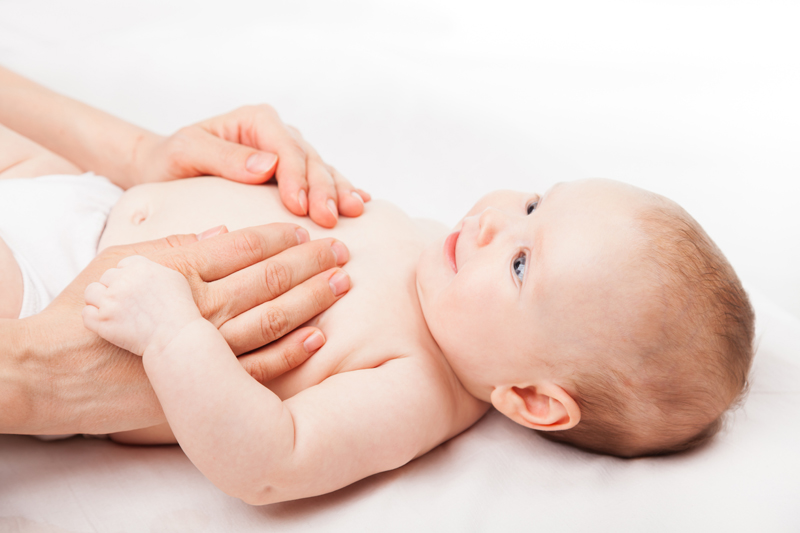
Physiotherapy for your baby
Torticollis: your baby could have a twisted, tight neck that makes It hard to turn their head which can have an impact on breastfeeding, colic and plagiocephaly. Physiotherapy can treat the muscle tightness and give stretches and advice to fix this
Plagiocephaly: your baby could have a flat spot on their skull from poor positioning in the uterus or post birth from torticollis or sleeping/ playing in one position too long. Physiotherapy can give advice on how to fix this
General paediatric assessments and advice and referral to specialised paediatric physiotherapists for more complex issues
Physiotherapy for your family
Becoming a parent is hard for your partner too so we are there to help with any treatment they might need to.
Likewise the new grandparents are often heavily involved with caregiving too so may start to suffer from aches and pain that need treating too. We are here for you.