


Pelvic instability
/Pelvic instability is a very common cause of the back pain 44% of post partum women suffer. What is it, what are the symptoms and effects and how can physiotherapy help me?
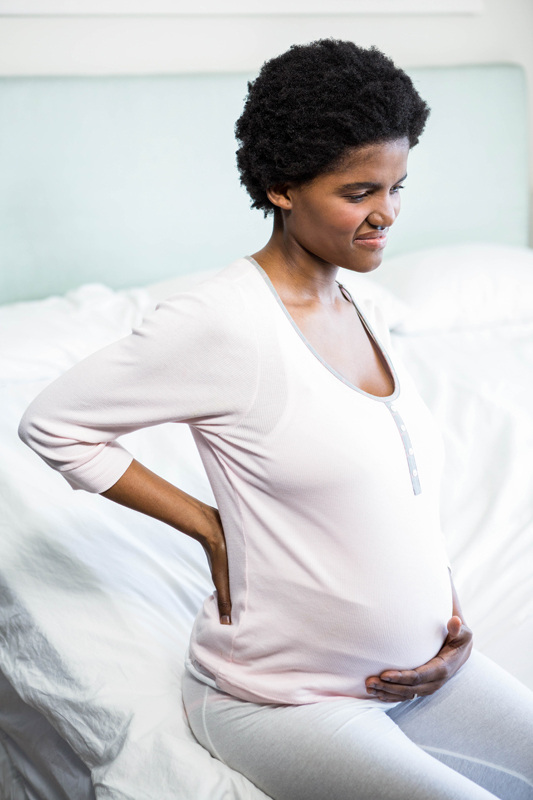
Back pain affects 48-90% of pregnant women (Hallum, 2016). Low back and pelvic pain is present in 44% of women 6 months after they have had their baby (Brown and Lumley, 1998).
Low back pain during or after pregnancy is most commonly caused by pelvic instability or even pain referred from pelvic floor scar tissue from child birth. See my blog on Pelvic floor strengthening and stretching- My story for more information on that.
I suffered from pelvic instability before I had my daughter. I knew my pelvis “was out” when I could feel a pain in my bottom or groin or I felt lopsided, like one leg was longer than the other. These are classic signs if your pelvis is not ‘aligned’.
Pelvic instability usually occurs after a traumatic fall from a substantial height or your leg is pulled very vigorously such as your foot getting caught in something when you are running.
“loosen the ligaments around your pelvis to allow your baby to exit... during childbirth...”
The other time pelvic instability can occur is during and for months after pregnancy. This is long been thought to be due to pregnancy hormone relaxin which is released to loosen the ligaments around your pelvis to allow for your baby to exit your pelvic canal during birth but now there are several studies suggesting relaxin is not correlated to laxity and pain.
The important thing to know is that the pelvic and other peripheral joints often become more lax, especially in the last trimester and the first 3 weeks post partum (Mens et al, 2009). Studies have shown that pelvic laxity has been significantly correlated to pain. As a result of ligament laxity the joints are not as well supported and movement can occur causing inflammation, mal-alignment and pain.
“Studies have shown that pelvic laxity has been significantly correlated to pain..”
As I mentioned before, you will feel the pain mostly in the sacral (buttock) area or in the groin, depending on where the ‘mal-alignment’ has occurred. You can feel the pain when walking, standing on one leg such as climbing stairs, sitting or when standing from sitting. Pelvic instability can cause pelvic floor dysfunction too!
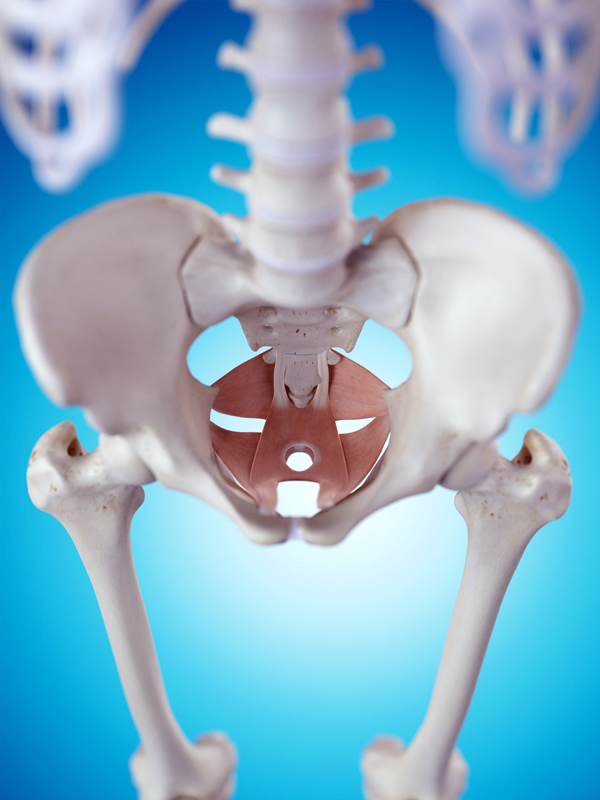
The pelvis is made up of 3 joints only and is a largely immobile structure. The three joints are the left and right sacro-iliac joints which join the sacrum (the base of the spine, the bony bit in the centre of your bottom) to the left and right ilium (the pelvis). The last joint is the pubic-symphysis joint (your pubic bone) which is the joining of the left and right pubic bones. The joints can move slightly up or down, inwards/ outwards or combinations of these if there is a laxity.
“override the ligament weakness during pregnancy by keeping the pelvic floor and core strong...”
The ligaments keep these joints stable but so does, wait for it, the forever important core and pelvic floor. We can help override the weaknesses of the ligaments during pregnancy by keeping the pelvic floor and core muscles strong. See my blogs on Pelvic floor strengthening and stretching- My story and Switching on your core the proper way for more information on this. We can also make sure we avoid certain movements to help prevent ‘mal-alignments’. Muscle tightness in the hamstrings and other muscles can also contribute to pelvic mal-alignment too.

If you have groin or buttock pain during or after pregnancy you don’t need to put up with it. Physiotherapists specialised in pelvic conditions can assess your pelvis and if necessary use very gentle techniques to ‘re-align’ the pelvis which will stop the pain.
However due to the laxity of the ligaments the problem can reoccur. To prevent reoccurrence, taping, tubigrip or special support pants are prescribed. Advice about which activities to avoid are also given, and lastly, strengthening exercises for the pelvic floor and core are given to help support the area as much as possible.
Post pregnancy the ligament laxity goes with time but you need these treatments above to realign and strengthen the area. If you are one of the 44% don’t put up with the pain and see a physiotherapist today.
Summary
Low back pain is present in 44% of women 6 months after they have had their baby.
Pelvic instability can cause pelvic floor dysfunction.
Pelvic instability or pelvic floor scar tissue are possible causes for your back pain. Physiotherapists can treat all of this.
References
Hallum (2016) Women’s Health Physiotherapy 5 day Intensive Introduction Course.
Brown S, Lumley J 1998 Maternal health after childbirth: results of an Australian population based survey. Br J Obstet Gynaecol 105: 156-161
Mens, J.M., Pool-Goudzwaard, A., Stam, H.J. (2009) Mobility of the Pelvic Joints in Pregnancy-Related Lumbo-pelvic Pain: A Systematic Review . Obstetrical & Gynecological Survey, 64(3), pp.200-208

Melli Tilbrook is a Physiotherapist based at Adelaide Physiotherapy and Pilates Studio, Beulah Park.