


Pregnancy, vaginal birth and stress urinary incontinence
/Stress urinary incontinence is common during pregnancy and after vaginal births. This blog breaks down the causes and treatments available.

Stress urinary incontinence is common in pregnant women (54.3%) (1) and after delivering babies vaginally, especially if they are large babies or your need instruments to assist delivery. This blog is going to cover a complicated but very relevant topic for Mums: stress urinary incontinence (SUI). It still challenges us as medical professionals, as to the best ways to treat it. In this blog we will examine the potential causes of SUI and thus the relevant treatment options available. I will try to make it as easy as possible to understand but it is a difficult topic so read it and then approach a Women’s Health Physiotherapist or Gynaecologist with your equipped knowledge to explain and explore it further.
What is stress urinary incontinence (SUI)?

Stress incontinence is the involuntary loss of urine with a sudden increase in abdominal pressure like coughing, sneezing and laughing or physical activity like running or jumping (2).
What causes SUI?
Weak pelvic floor muscles- the pelvic floor muscles wrap around the urethra, vagina and anus and when they contract they should compress these ‘orifices’ and lift the pelvic floor up to prevent urine (or faeces) escaping.
Weak pelvic floor fascia- in addition to the pelvic floor muscles, fascia (connective tissue) is just as important at holding up the pelvic organs. If is has been stretched or torn with childbirth it does not hold the organs (including the bladder and attached urethra) up as high.
a) dropping of urethra-If the urethra (the tube that carries urine from the bladder out of your body) is too low, incontinence is likely. This is because when your intra-abdominal pressure (IAP) increases with a cough etc, the IAP should assist to close off the urethra to prevent incontinence. However if it is too low, the urethra does not get the benefit of the IAP and it will not be able to compete with the IAP on the bladder and leakage is likely.
b) urethral mobility- if the fascia is weak, the urethra lacks support, so can move and funnel (open) which is another cause of incontinence.
Urethral sphincter strength- in addition to the surrounding pelvic floor muscles and fascia, the urethra itself has sphincters, muscles and blood vessels, fired up by nerves. All of these also provide closure and resistance to incontinence. Read below to see how these structures can be damaged by childbirth and surgery. In addition to this, as we age our urethral sphincter muscles reduce by 2% per year which reduces our resting and active urethral pressure.
“as we age our urethral sphincter muscles reduce by 2% per year which reduces our resting and active urethral pressure”
How does pregnancy increase our chances of stress urinary incontinence?
The increasing pressure of the growing uterus and fetal weight on the pelvic floor muscles and fascia throughout pregnancy, together with pregnancy-related hormonal changes, may lead to reduced strength and effectiveness of the pelvic floor muscles, fascia and consequently urethral position and sphincter strength, thus resulting in urine leakage.
How does vaginal birth increase our chances of stress urinary incontinence?
Vaginal birth (especially with instrumental delivery, large babies and multiple vaginal births) can increase the risk of stress incontinence for several reasons. The pelvic fascia can be stretched leading to a hypermobile urethra/ lowering of urethra, the pelvic floor muscles are weakened but also the nerves supplying the urethral sphincter muscles can also get damaged, leading to poor urethral closure at rest and under increased abdominal/ bladder pressure. Incidentally pelvic organ prolapse risk is also increased with vaginal delivery.
“Vaginal birth (especially with instrumental delivery, large babies and multiple vaginal births) can increase the risk of stress incontinence for several reasons”
Is your risk of stress urinary incontinence increased in the long term with a vaginal delivery?
There seems to be no conclusive results on this. There are immediate risks with caesarean section too so the two modes of delivery need to be carefully considered before having your baby.
How do I know what is causing my stress urinary incontinence?
You really need to get an assessment from an experienced Women’s Health Physiotherapist, Gynaecologist or Urogynaecologist. They will do an external and internal (vaginal) exam to test pelvic floor strength. They can also perform different tests to see if the urethra has moved or is mobile. Answers to many of their specific questions will also help them be able to determine what is causing your incontinence. If you are pregnant they are unlikely to run objective testing but just ask questions and direct you to Women’s health physiotherapist for pelvic floor muscle strengthening.
“Pelvic floor muscle training (PFMT) is the only treatment recommended for pregnant women with SUI and has been shown to have good results”
How do I treat stress urinary incontinence?
Pelvic floor muscle strengthening (PFMT) is the only treatment recommended for pregnant women with SUI and has been shown to have good results (1).
A well respected journal review gave the widespread recommendation that PFMT be included in first line conservative management programs for all women with stress, urge or mixed urinary incontinence (2). See below for guidance on a good PFMT program.
“Factors that predict failure of PFMT are urethral mobility on ultrasound, previous surgery for incontinence, BMI, strong levator strength at start of program (suggests fascia more likely the problem) ”
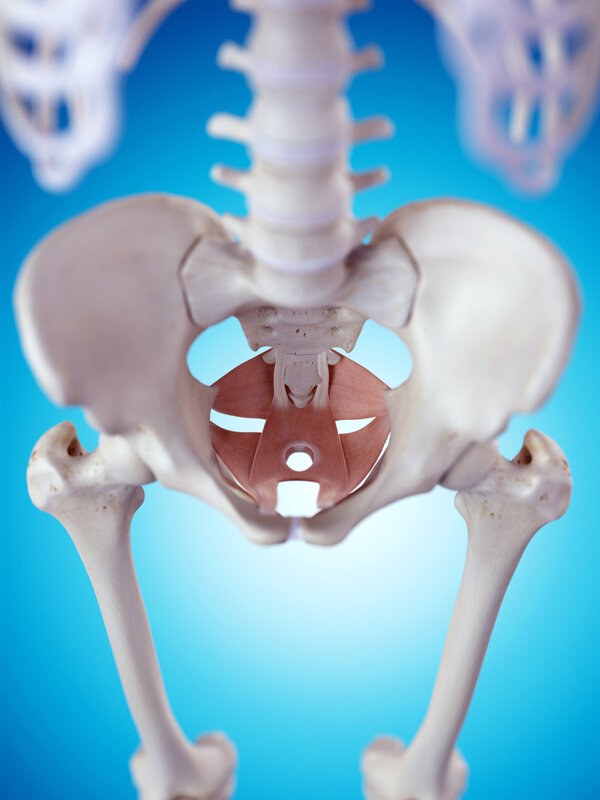
Pelvic Floor Muscle Training (PFMT)
If the pelvic floor is found to be weak, PFMT will hopefully be the answer to your prayers. Strengthening your pelvic floor can also help to stiffen the connective tissue in the muscle to stabilise and elevate the urethra.
Learning how to contract the pelvic floor at rest but also learning to coordinate a contraction with the activity that cause you incontinence can be tricky but definitely possible. Women’s Health Physiotherapists can help teach you these exercises correctly (often they are done ineffectively, like contracting your bottom muscles instead of your pelvic floor). They will be able to identify the exact PFM issue such as reduction in strength, endurance or coordination. See my blog Pelvic floor strengthening and stretching- my story for some starter pointers on how to correctly contract your pelvic floor and more information about the pelvic floor for pregnancy and childbirth.
How likely is it that PFMT will work for me?
Research has shown that you will have a higher success rate with PFMT if you are found to have <2g of urine loss in 1 hr pad test, no loss of urine on first cough, have <2 leakage episodes/ day and low pelvic floor muscle strength to start with.
Factors that predict failure of PFMT are urethral mobility on ultrasound, previous surgery for incontinence, BMI, strong levator strength at start of program (suggests fascia more likely the problem) (3).
“Strength has been shown to increase much more effectively with the use of physiotherapy tools such as biofeedback and electrical stimulation”
How to make PFMT a success
Strength has been shown to increase much more effectively with the use of physiotherapy tools such as biofeedback and electrical stimulation to automatically contract the pelvic floor (4). This is helpful if your nerves have been damaged with child birth etc. Strength can be progressed with vaginal balls and spheres too which is helpful if you want to get back to heavy exercise like running or weights. They can also give fast initial results which is quite motivating. A women’s health physiotherapist can help you with all of this.
Several studies showing just teaching the knack is just as effective as extensive PFMT (5). However knack doesn’t increase muscle bulk, muscle tension/ stiffness for fascial lifting and is not effective for SUI when running.
For best results, research shows that you should be seeing a Women’s Health Physiotherapist for strength progression/ guidance at least every two weeks (4).
Studies have also shown that you need to be doing strength training for at least 3 months (more likely 6 months) before you see noticeable change so you need to be patient! It is like any other muscle you would train.
“you need to be doing strength training for at least 3 months (more likely 6 months) before you see noticeable change so you need to be patient!”

“ If you want to run and you have a weak fascia, you really need a support device or surgery.”
Support devices
If however, your pelvic floor fascia is damaged and your urethra is sitting low or not forced closed, PFMT can assist with some lift of the urethra and repositioning and lifting and stiffening of fascia but it will not cure your incontinence (5). If you want to run and you have a weak fascia, you really need a support device or surgery.
Women’s Health Physiotherapists, Gynaecologists and some GPs can fit you with support devices (pessaries) which have a 50% success rate.
They are devices that are inserted into the vagina on a temporary basis to lift up the urethra/ correct the angle to prevent incontinence. There are different types that are suited for SUI or for pelvic organ prolapse (which we will discuss in another blog). Inserting a tampon could be a useful test to see if a support device will help your SUI. Some people just wear them for exercise and then remove them. Support devices have been shown to be just as effective as surgery, cheaper and less invasive. Support devices are a good option if you are planning on having more children.
“Support devices are a good option if you are planning on having more children”
Surgery
There is mixed success with surgery but can be a permanent fix for stress urinary incontinence caused by fascial damage. There are different surgeries available and best discussed with a gynaecologist. The most common are mid urethral sling and bladder suspension surgery. Both have risks of potential nerve damage which could cause pain or urge incontinence, infection with mesh (but this is much lower than than prolapse mesh surgery), or pelvic organ prolapse.
“Pelvic floor muscle training not only increases pelvic floor muscle strength but also the muscle that makes up the external urethral sphincter, thus improving sphincter strength”
Intrinsic Sphincter Deficiency (ISD) treatments
If your urethral sphincter is the cause of your stress incontinence these treatments can be tried:
Pelvic floor muscle training not only increases pelvic floor muscle strength but also the (striated) muscle that makes up the external urethral sphincter, thus improving sphincter strength. (6)
There are several injectable bulking agents such as Macroplastique which can give shorter term treatment (6-12 months) for ISD. They could be useful for the elderly, those who haven’t finished having children yet or those that can’t have surgery. They may or may not lay down collagen to prevent further ISD. Ask your gynaecologist about this.
Ask your gynaecologist about some medications that are being tried to stimulate the nerve function.
Vaginally applied oestrogen has been shown to help the regrowth of the pudendal nerve (supplying the external urethral sphincter muscles and the blood supply which would increase pressure on the urethra.
Sub urethral sling surgery doesn’t help ISD specifically but helps urethral hypermobility which is commonly associated with ISD.
Incontinence dish pessary can help with urinary stress incontinence by lifting the urethra but also increasing the urethral pressure (closure of urethra).
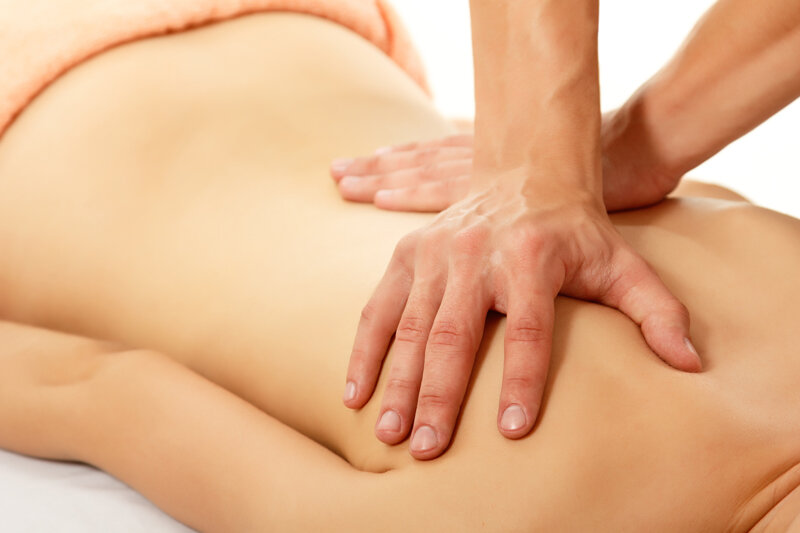
Getting physiotherapy to treat stiffness in the spine at the thoracic 11 to lumbar 2 areas may help the hypogastric nerves to the upper urethra work better. Likewise treating S2 may help pudendal (lower urethra/ external sphincter) and pelvic splanchnic nerve to bladder work better. Obturator internus muscle tightness can cut off supply of pudendal nerve so massage to release this muscle could help continence too.
“Getting physiotherapy to treat stiffness in the spine .. may help the .. nerves to the upper urethra, external sphincter.. and.. bladder work better. Obturator internus muscle tightness can cut off .. nerve supply so massage to release this muscle could help continence”
Summary
Stress urinary incontinence is very common during pregnancy and after vaginal birth and dependent on your whether you are planning to have more children, the best treatment options will differ.
Stress urinary incontinence is very complex with many potential causes and thus treatments.
Go to an Women’s Health Physiotherapist, Gynaecologist or Urogynaecologist to help you determine what is causing your stress urinary incontinence and direct you to the best treatment options.
Pelvic floor muscle strengthening will always be the first line of treatment and a Women’s Health Physiotherapist is the best person to help you to do this correctly.
References
Bussara Sangsawang and Nucharee Sangsawang. Stress urinary incontinence in pregnant women: a review of prevalence, pathophysiology, and treatment. Int Urogynecol J. 2013 Jun; 24(6): 901–912.
Haylen BT et al. An International Urogynecological Association (IUGA)/International Continence Society (ICS) Joint Report on the Terminology for Female Pelvic Floor Dysfunction. Neurourol Urodyn 2010; 29:4–20
Truijen G, Wyndaele JJ, Weyler J. Conservative treatment of stress urinary incontinence in women: who will benefit? Int Urogynecol J Pelvic floor dysfunction. 2001; 12 (6): 386-90.
Dumoulin C, Glazener C, Jenkinson D. Determining the optimal pelvic floor muscle training regimen for women with stress urinary incontinence. Neurourology and Urodynamics 2011;30(5):746‐53.
Miller JM, Sampselle CM, Ashton-Miller JA, Son Hong GR, DeLancey JOL. Clarification and Confirmation of the Effect of Volitional Pelvic Floor Muscle Contraction to Preempt Urine Loss (The Knack Maneuver) in Stress Incontinent Women. Int Urogynecol J Pelvic Floor Dysfunct. 2008 Jun; 19(6): 773–782.
Madill SJ, Pontbriand-Drolet, Dumoulin C, Tang A. Changes in urethral sphincter size following rehabilitation in older women with SUI. Int Urogynecol J 2014 Sept; 26(2)
Acknowledgement
I would like to acknowledge Taryn Hallam, director of the Women’ s Health Training Associates (WHTA) and the outstanding physiotherapist professional development courses she teaches. Her advanced course on stress urinary incontinence and pelvic organ prolapse is extensively researched and has provided much of the material for this blog. I can not recommend her courses highly enough.

Melli Tilbrook is the Director and Physiotherapist of Mummyotherapy