


Modelling and encouraging healthy physical and mental health for our babies
/Read this blog for interesting tips on encouraging active lifestyles, healthy eating, managing fussy eating and promoting healthy self esteem in our babies.
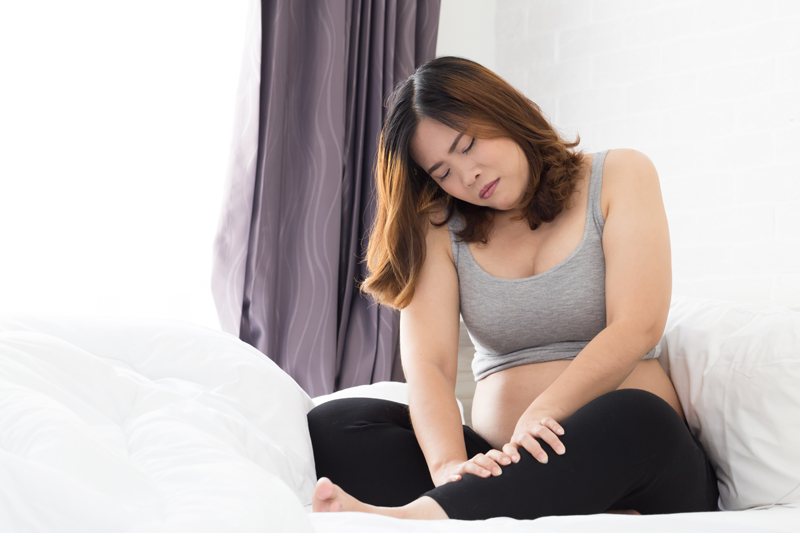
I am having a fat day/ year. I have got myself in to a terrible rut. I was definitely fitter during my pregnancy than now. I have slowly been getting more unfit and I feel embarrassed about it. I have been putting it down to the fact that I am spending every minute that Misaki is asleep or with a sitter, working at my paid or unpaid jobs. I also want to be the best mum I can be, so whenever she is awake we are having fun together.
“I am having a fat day/ year”
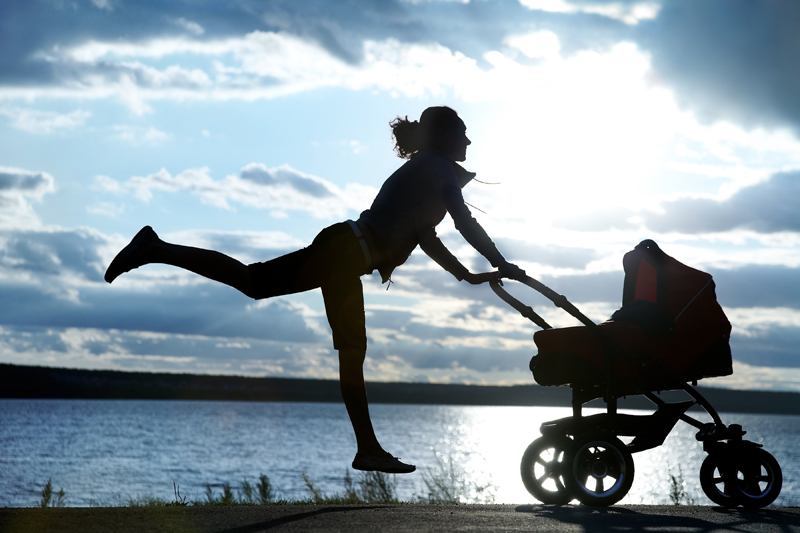
My daughter is incredibly active which I am most pleased about as it has enabled her to really nail walking, running and climbing. She loves it and won’t stop. It makes me smile that she runs (pigeon-toed) everywhere rather than walk to get to her next destination faster.
But the rate her little legs are running at is not enough to give me an aerobic work out. I have recently put in to my diary a daily reminder to exercise. We are going out walking in the nearby national park which is a wonderful experience for us both, good hills for my butt, legs and core (stabilising to push the pram up and down hills) and good for her to see, feel, hear, smell and sometimes taste (!) nature around her.
Thankfully for a mover she is happy to sit for a decent period in the pram to allow time for my work out and then we get to a safe area where she runs free. Last Winter, she discovered puddles, so I got out these beautiful gumboots my husband brought back from London for her to put to good use. Unfortunately, they are quite heavy so as a new walker she was constantly falling over. She loved it, me not so much.
“This inactivity also made me more uncoordinated than I could have been”
Misaki is opposite to me in many ways. As a child I was so introverted, so as a consequence I was not very active and instead hid doing some crafty activity. That’s what I see with children and the comfort of their screens now. This inactivity also made me more uncoordinated than I could have been, because I did not practice these skills early. She is a massive extrovert, so social and active and has no fear! I love that she has all these characteristics. I feel very lucky as in some ways this will make my job as a parent much easier. She will be running off to class on her first day of school, without as much of a glance goodbye.
“Eventhough she exudes all this confidence, I have to be so careful about how I talk or even look at myself”

Even though she exudes all this confidence, I have to be SO careful about how I talk about or even look at myself. I am already thinking what is she interpreting when I am getting dressed and looking in dismay in the mirror at how big my butt looks. I am conscious to already to not say “Eew my butt looks hideous in these jeans!” I know growing up in the 80s that I thought of myself as fat. I don’t recall Mum or Dad ever saying words to that effect about themselves or me and I had hardly any exposure to TV or other media so not sure where I got it from. So now with the media perception of beautiful being portrayed as skinny, and media being so readily available to youngsters, the rate of self loathing, self harm and eating disorders is apparently significantly increased. This talk I went to by psychologist Steve Biddulph about raising girls, suggested that Dads have a big role to play in promoting self esteem in girls. If Dads spent regular quality time with their daughters they would grow up to believe “if my Dad spends quality time with me, I must be pretty special” and thus think more highly of themselves, in a good, self confident, not settle for a rubbish boyfriend kind of way. Please forward this blog to your husbands. Has anyone been to the “Raising boys” talk or read the book to know if the same goes for boys self esteem? Please comment below.
“If Dad spends quality time with me I must be pretty special and thus think more highly of themselves, in a good, self confident, not settle for a rubbish boyfriend kind of way”
Apparently, my maternal grandmother suffered from anorexia but I was not aware of that until last year. Is self perception and eating disorders genetic? For those that know please enlighten us in the comments below. Eating disorders is something I have never had a problem with. I have a very healthy appreciation and great love of food. I was brought up in a very healthy eating household and have always loved healthy food. I just consume a lot of it! I also have a great love of brie and wine too, but apparently they are good for you (just maybe not in my portion sizes).
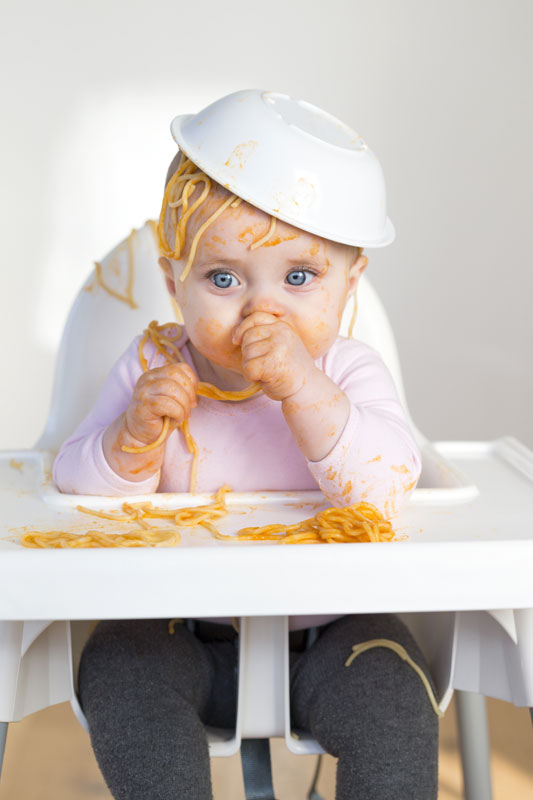
Misaki loves all food, a trait of mine I am hoping will remain. I heard from my dietitian friend Trish Hancock (Director of www.fleurieuhealth.net.au ) “that children from 0-3 years old are experiencing rapid growth so the food they eat is to enable them to grow to maximum potential. However, from the age of 3 to 6 their rate of growth flattens and they begin to slow down in their intake as they don’t need as much food as they are now eating to ‘play’ rather than eating to ‘grow’. Children have more tastebuds than adults so can taste things more acutely, so when they turn three, when they no longer need as much food, many of them begin to get really picky and a greater food neophobia (fear of trying new things) starts. Approximately 70% of taste preferences are set by the age of three, so in combination with this, with more taste buds and drop off in amount eaten, they can become very fussy”.
“Children have more tastebuds than adults.. so can become very fussy”
“Beyond age six, they begin to accelerate in growth once again, so the range of foods they are prepared to eat or try begins to expand again. The major lesson here is persistence. Keep offering new foods but don’t take offence if they are rejected. They will go through food fads where one week they’ll like something and the next week they don’t. Persist with offering foods you want them to eat and by later childhood, hopefully they will accept them”. Trish is a wonderfully well researched Dietician, caring mother and friend, so if you live near Victor Harbor and need advice for yourselves or your children please contact her. You may also want to have a look at my blog, The foodie and the fussy eater, for some light relief and hopefully some helpful suggestions about my struggles as a mother when Misaki would not eat solids for 3 months.

So back to me and my insecurities! I went to this Women’s Health Physiotherapy course recently and the teacher was amazing, so well researched but so funny and frank. She said “there is no way to go back to your pre- baby body! You may reduce your weight on the scales but with pregnancy to allow your baby to grow in utero your pelvis (hips) bones and ribs widen to allow for your abdominal organs to fit. Unfortunately, the bones don’t return to their initial width! So, you will probably find yourself having to go pants and top shopping- blessing for some, hindrance for others.
Anyway, we have 4-5 different bodies in our lives, the little girl body, the puberty body which changes due to hormones, the pregnancy body as described above (again hormone related) and the post menopause body (with decreased oestrogen hormones and decreased metabolism). This is life, so we have to be proactive about good diet and exercise but proactive about good mental health and acceptance of our bodies, not only for ourselves but for our children who are very receptive to our internal and external feelings.
Summary
Model good physical and mental health for your sake and your child’s.
Make sure Dad’s spend quality time with their daughters to promote healthy self esteem.
Children tend to be fussy eaters between the ages of 3-6 but if you feed them healthy foods in their first 3 years and persist to offer healthy options in a positive way they should have a healthy diet in the long term.
Accept and embrace that hormones will change your body shape during adolescence, pregnancy and menopause.

Melli Tilbrook is a Physiotherapist at Adelaide Physiotherapy and Pilates Studio, Beulah Park