


Gestational diabetes
/Gestational diabetes has affected several people I know. Read how to prevent this condition that can severely detriment the health of your baby and yourself now and in the future.

Gestational diabetes (GDM) increases the risk of premature birth, neonatal death, prolonged jaundice and respiratory distress in the babies. In the future it can increase the risk of the child being obese and type II DM. It can increase the risk of the mother having a caesarean section, pre-eclampsia, hypertension, GDM in future pregnancies (66%) or type II DM (up to 63% within 5-10 years (Shand et al 2008). GDM increases the risk of premature birth, neonatal death, prolonged jaundice and respiratory distress in the babies.
“Gestational diabetes increases the risk of premature birth, neonatal death, prolonged jaundice and respiratory distress in the babies. In the future it can increase the risk of the child being obese and type II DM. ”
What is gestational diabetes?
GDM is when your blood glucose levels become elevated above normal levels during pregnancy, when previously your readings were normal. Gestational diabetes is the fastest growing type of diabetes in Australia, affecting thousands of pregnant women. Between 12% and 14% of pregnant women will develop gestational diabetes and this usually occurs around the 24th to 28th week of pregnancy (https://www.diabetesaustralia.com.au/gestational-diabetes).
“GDM can increase the risk of the mother having a caesarean section, pre-eclampsia, hypertension, GDM in future pregnancies (66%) or type II DM (up to 63% within 5-10 years”
Diabetes Australia (https://www.diabetesaustralia.com.au/gestational-diabetes) state that women have an increased risk of developing gestational diabetes if they are:
40 years or older
Have a family history of type 2 diabetes or a first-degree relative (mother or sister) who has had gestational diabetes
Are above the healthy weight range- BMI>29
Previous levels of activity are low
Have had elevated blood glucose levels in the past
Are from Aboriginal and Torres Strait Islander backgrounds
Are from a Melanesian, Polynesian, Chinese, Southeast Asian, Middle Eastern or Indian background
Have had gestational diabetes during previous pregnancies
Have previously had Polycystic Ovary Syndrome
Have previously given birth to a large baby (weighing more than 4.5kg)
Are taking some types of anti-psychotic or steroid medications
Have gained weight too rapidly in the first half of pregnancy.
“There’s an increased risk of developing gestational diabetes if you are 40+ years, have a family history of type 2 diabetes or GDM, are overweight, have a poor exercise history, have had GDM or elevated blood glucose levels in the past, have polycystic ovary syndrome or are from certain backgrounds.”
I was 38 (and 51 weeks 😊) before having Misaki so I was pushing the age risk factor. Many of our generation are choosing to wait to have children later but for me and many others, I had to wait that long to find the right partner and then there are others who couldn’t and choose to have a baby by themselves. So I would argue many of us couldn’t control that factor. So what can we control to reduce our risk of gestational diabetes?
Healthy weight range
There are reasons why some people find it harder to maintain a healthy weight range but we can try our best. I have the perfect case study to prove how important it is though with my friend’s story. She has struggled keeping a healthy weight ever since I have known her. She was overweight and exercised minimally when had her first baby 6 years ago. He was and is still very healthy but she suffered from gestational diabetes. In the past 3 years she has transformed herself and I am in such awe. She has kicked so many goals, professionally, personally and in addition to this has lost a bunch of weight through diet and exercise. She was recently pregnant with her second child and was within a healthy weight range and did not get gestational diabetes! Even though the risk of getting GM in the subsequent pregnancies is increased 66% (Shand et al 2008) she was fine. The only risk factor that changed was her weight.
Another friend of mine got gestational diabetes but was within a healthy weight range and had none of the risk factors. Bad luck?
Diet
They were both put on a strict diet, regular small meals low in fat and sugar, low GI carbohydrates, small but regular portions of protein, iron, dairy and lots of vegetables (https://www.diabetesaustralia.com.au/managing-gestational-diabetes). My first friend’s weight remained steady but my second friend actually lost weight during part of her pregnancy and only put on 7kg in total. Please ask your Doctor or Dietician for advice on your diet if you suffer from gestational diabetes but this healthy eating would be generally good advice for a normal pregnancy too.
Exercise
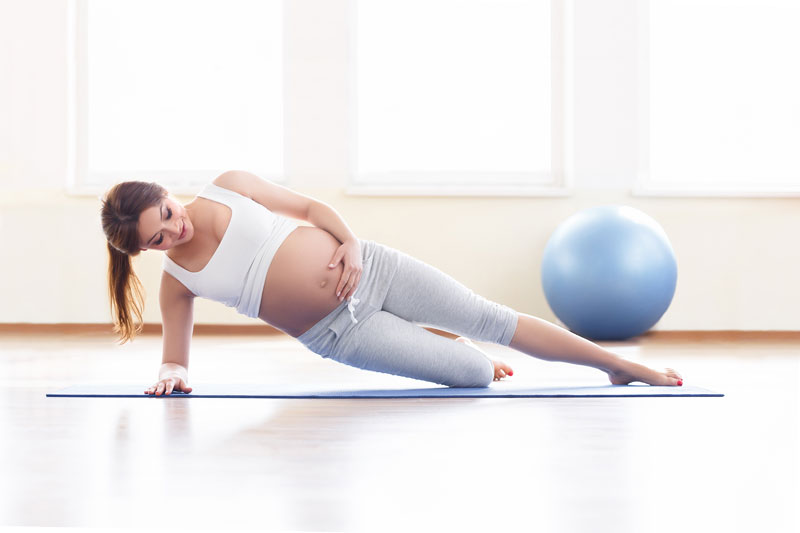
Exercise has been shown to reduce GDM, decreasing insulin resistance and thus help control blood glucose levels and prevent GDM if performed through entire pregnancy at least 3x/ week.
“Exercise can eliminate the need for insulin in GDM”

Bung et al (1996) showed exercising 3 sessions per week under supervision (recumbent bicycle 3x15 min with 2x 5 min rest periods) reduced the blood glucose levels to the same amount insulin therapy did, thus exercise can eliminate the need for insulin in GDM.
Similar results were found for a resistance circuit program: plies, bench press, knee extension, hamstring curl, lat pull down, seated row, triceps press and military press (Brankston et al, 2004). Exercise compared to diet therapy was significantly different, with exercise normalising BGL and diet being unchanged (Jovanovic, 1991).
“Exercise compared to diet therapy was significantly different, with exercise normalising BGL and diet being unchanged”
If you do get GDM you need to be acutely aware of symptoms of hypoglycaemia (confusion, dizziness, shaky, headaches, sudden hunger, sweating, weakness) which may be hard to identify yourself (especially the confusion). It would probably better to exercising with someone nearby (a friend/ family/ trainer/ physiotherapist) who can keep an eye on this. If you feel these symptoms you should have some sugary food immediately (lollies, 1tbsp honey, soft drink OJ (1/2 cup).

To prevent GDM exercise needs to start prior to pregnancy or in the first trimester of pregnancy (Redden et al, 2011). So another very good reason for yourself to get fit and strong prior to and early in pregnancy, is to prevent GDM but also as a way to treat GDM if you get it. See your doctor to clear other co-morbidities and then come to see a physiotherapist for a medically designed and individually based exercise program.
“To prevent GDM exercise needs to start prior to pregnancy or in the first trimester of pregnancy. ”
See my blog on exercise during pregnancy https://www.mummyotherapy.com/blog/2018/10/29/exercise-in-pregnancy to read about other benefits of exercise during pregnancy and for exercise ideas.
Increased risk of diabetes in the future
As I mentioned before my once overweight friend has had a second baby without suffering gestational diabetes and is as healthy as she has ever been. My second friend has not had DM since (it has been 10 years). She also maintains a healthy lifestyle to try and prevent it.
Summary
Gestational diabetes can have several debilitating effects on mother and child.
There are several risk factors for GDM of which our body weight, weight gain in pregnancy and potentially age we can control.
Exercise more than diet or insulin has been shown to reduce blood sugar levels and GDM.
Exercise before pregnancy and in the first trimester can prevent GDM.
References
Shand, Bell, McElduff, Morris. Outcomes of pregnancies in women with pre‐gestational diabetes mellitus and gestational diabetes mellitus; a population‐based study in New South Wales, Australia, 1998–2002. Diabetic Medicine. 2008 Vol 25, Issue 6: 708-715.
https://www.diabetesaustralia.com.au/gestational-diabetes
Bung P, Artal R, Khodiguiab N, Kjos S. Exercise in gestational diabetes. An optional therapeutic approach? Diabetes. 1991;40(Suppl 2):182–185.
Brankston GN, Mitchell BF, Ryan EA, Okun NB. Resistance exercise decreases the need for insulin in overweight women with gestational diabetes mellitus. American Journal of Obstetrics and Gynecology. 2004;190:188–193.
Jovanovic-Peterson L, Peterson CM. Is exercise safe or useful for gestational diabetic women? Diabetes. 1991;40(Suppl 2):179–181.
Redden, LaMonte, Freudenheim and Rudra. The association between GDM and recreational physical activity Maternal Child Health Journal, 2011, vol 15, no 4, pp 514-9.

Melli Tilbrook is a Physiotherapist based at Adelaide Physiotherapy and Pilates Studio, Beulah Park