


Dummy spit
/Learn about the positives and negatives of dummies and learn tips on how to get rid of them when the time is right.
After months of workshopping the idea with Misaki we finally gave Misaki’s dummies to the dummy fairy! I didn’t do any research on the idea but the idea of a little fairy dedicated to collecting dummies from the little girls and boys to repurpose for new babies seemed like a beautiful story. She liked the idea but was not keen on the follow through for quite some time. We recently returned from a flight to Melbourne so with no travel for a while this seemed like a perfect time. I got encouragement from my Paediatric OT friend too who talked about giving the dummies to Father Christmas in a similar vein.
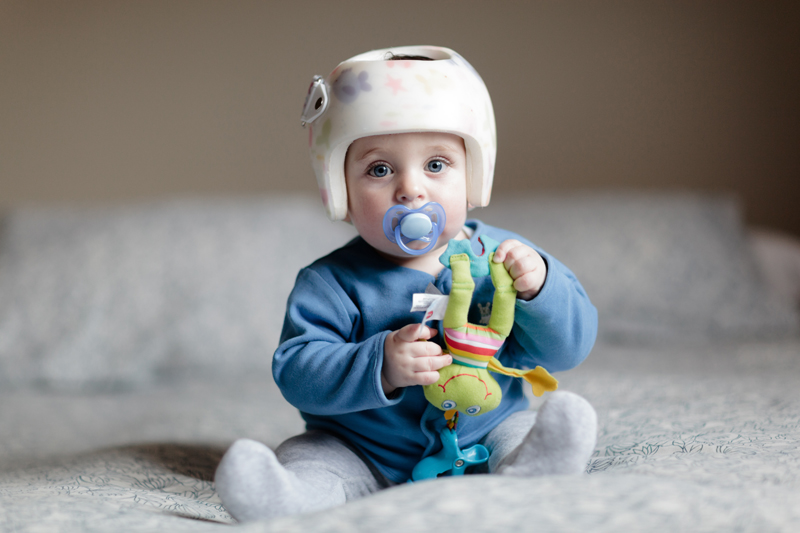
So with potential public dummy spit risks on the plane over with (OMG I am hilarious!) we bit the bullet. I let her own the situation and I think that worked a treat. Together, we wrote a letter to the dummy fairy, put it in an envelope with all her dummies and she posted it in the letter box. The dummy donation came with promises that the fairy would bring her presents to thank her in the morning. She used her dummies at night, in the car (and on flights). So we were prepared for her first sleep without a dummy to be a rough one. My husband did the hard yakka (Australian for ‘work’) and did the bed routine. He didn’t mention the dummy, and hey presto she went to sleep with no fuss and slept through the night!!
“Is there some parenting award we should be getting out of our ugg boots for?”
Could it really be that easy?! Is there some parenting award we should be getting out of my Ugg boots for? Well the next day she got upset a couple of times, but this was very momentary when I reminded her where the dummies had gone and what she received. By the way, the dummy fairy got her a fairy outfit, a unicorn cushion to keep her company in bed and a cheap learning ‘laptop’/ magnetic drawing pad to entertain her in the car. She was overjoyed with these gifts and months later still give her much pleasure.
The next night she woke a couple of times but since then she has not asked for the dummy day or night. Job done. Why did it work so well? I think because we had talked about it for ages it was not a surprise, we gave her ownership over the donation of which she is proud, there were appropriate rewards (maybe a bit extravagant but appropriate for use in the areas she would use a dummy).
I thought for the blog I better back this up with some research as to what you are meant to do with dummies. I had just been following my motherly gut feelings knowing as a baby it was of comfort to her so allowed it and when she was talking (non stop) knew it was not a good look and time to take it away.
As a Physiotherapist I have no professional knowledge on dummies but Dentists and Speech therapists have strong views on dummies. This information below came from a Speech Pathologist in Atlanta, USA (https://atlspeechtherapy.com) and seems to correlate with other research I have read.
Positives
Dummies decrease the risk of Sudden Infant Death Syndrome (SIDS). A baby who sleeps with a dummy doesn’t often sleep as soundly as one without a dummy, making it possible for the baby to wake up from a deep sleep that might result in stopped breathing.
Provides a source of security to an infant and increases sucking satisfaction.
Is a common substitution for a mother’s breast or baby bottle for the purpose of comforting and settling a newborn.
Is an easier habit to break than thumb-sucking.
“Dummies decreases the risk of SIDS (Sudden infant death syndrome)”
Negatives
Can cause alignment problems with the teeth or mouth after 2 years of age. Use of dummies should stop by this age so that any problems can be corrected naturally. Others suggest 1 year or 18 months.
Poor dental development is also linked to disordered speech articulation.
Correlates to otitis media (acute middle ear infections). Continuous sucking on a dummy causes the auditory tubes to be abnormally open, allowing secretions from the throat to seep into the middle ear and cause infections.
Can distort vocalizations while held in the mouth or may keep a child from attempting to speak at all. Other studies have shown that speech is not affected by dummy use (Shotts, McDaniel & Neeley, 2008) so the jury appears to be out on this.
May interfere with breastfeeding, as a different sucking technique is required.
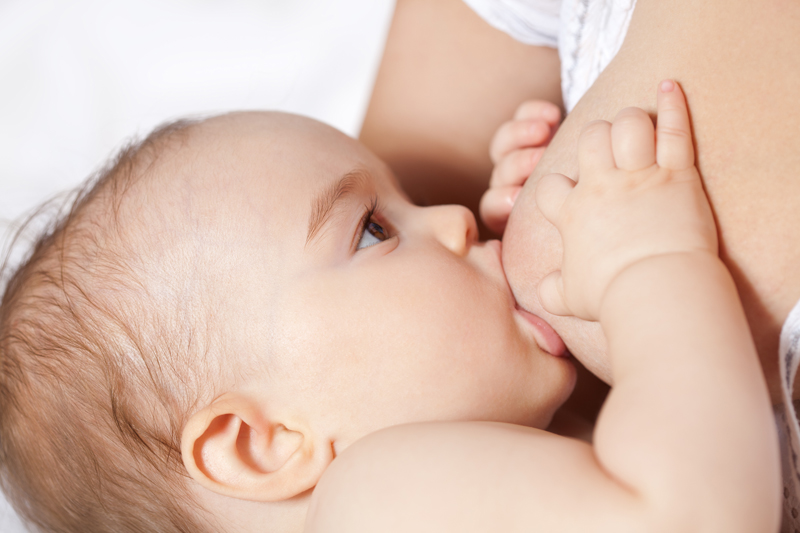
“Dummies may cause malalignment of the mouth... or teeth... as well as affect the development of speech”
If dummy use is what is most appropriate for the child, here are some tips to stay safe:
Restrict use to when the infant is falling asleep
Do not place a cord around the child’s neck to hold the dummy. Look for dummies that have a ring, in order to prevent strangulation.
Look for a dummy with ventilation holes in the shield. These will permit air passage if the dummy accidentally becomes lodged in the child’s throat.
Select a dummy with a symmetrical nipple. This permits the dummy to remain in the correct sucking position.
“Look for dummies that have a ring to prevent strangulation”
If it is time to break the child’s habit of dummy use, here are some helpful tips and methods:
Dip them in white vinegar or lemon juice, making them unappealing.
Pierce the nipples with a needle or cut them shorter to reduce the sucking satisfaction.
Leave them behind on a trip.
Take them away “cold turkey.”
Make sure everyone is onboard, including caregivers, grandparents, and siblings.
Offer alternative comforts preferably independent soothing ideas that do not rely on you.
Explain to the child that there is another baby who needs the dummies more and make an event of gathering up all of the dummies and putting them in a box to “give away.” Give the child lots of praise for being so generous and for being a “big kid.”
Introduce and stage a visit from the Dummy Fairy. Explain to the toddler that the Dummy Fairy will come whenever he or she is ready to give up his or her dummies. Collect all dummies and put them in a box or fancy basket on the doorstep. After the production, the Dummy Fairy will come to take the dummies away and leave a toy in their place.
Misaki is a brilliant talker so the dummy has definitely not impeded her speech. She has been to the dentist and has a full set of healthy teeth, good bite and has had no ear infections. She did fail to gain weight in the first 7 months, so perhaps she struggled with breast feeding, but I think that was more due to my lack of milk. So perhaps dummy use in moderation and using these techniques for cessation is fine.
Summary
· Dummy use is a personal choice for you as parents with potential positives and negatives.
· If you don’t allow prolonged use of a dummy this doesn’t appear to have negative side effects (if you use the safety tips above).
· Views vary on when dummy use should stop but most likely during the day when they are trying to talk.
References
1. https://atlspeechtherapy.com
2. Shotts, L.L., McDaniel, D.M. & Neeley R.A. (2008). The impact of prolonged pacifier use on speech articulation. Contemporary Issues in Communication Science and Disorders, 35(1), 72-75.

Melli Tilbrook is a Physiotherapist based at the Adelaide Physiotherapy and Pilates Studio, Beulah Park