


Exercise in Pregnancy
/I was most definitely more fit and toned prior to and during my pregnancy than I am now. I am running around after Misaki but I am not out there hiking in the beautiful Australian outback like I was prior to and during pregnancy. I was super blessed to become pregnant quite easily at 38 (I am so sorry if you are struggling to conceive). While age was a barrier to me becoming pregnant, I thank potentially my lucky genes, but also the fact that I was quite fit with a BMI in the normal range, that I had no troubles getting pregnant and having a pregnancy and baby with no complications. I know there are so many variables to getting pregnant but if we can take control of the ones we can, the pregnancy journey will hopefully be easier.
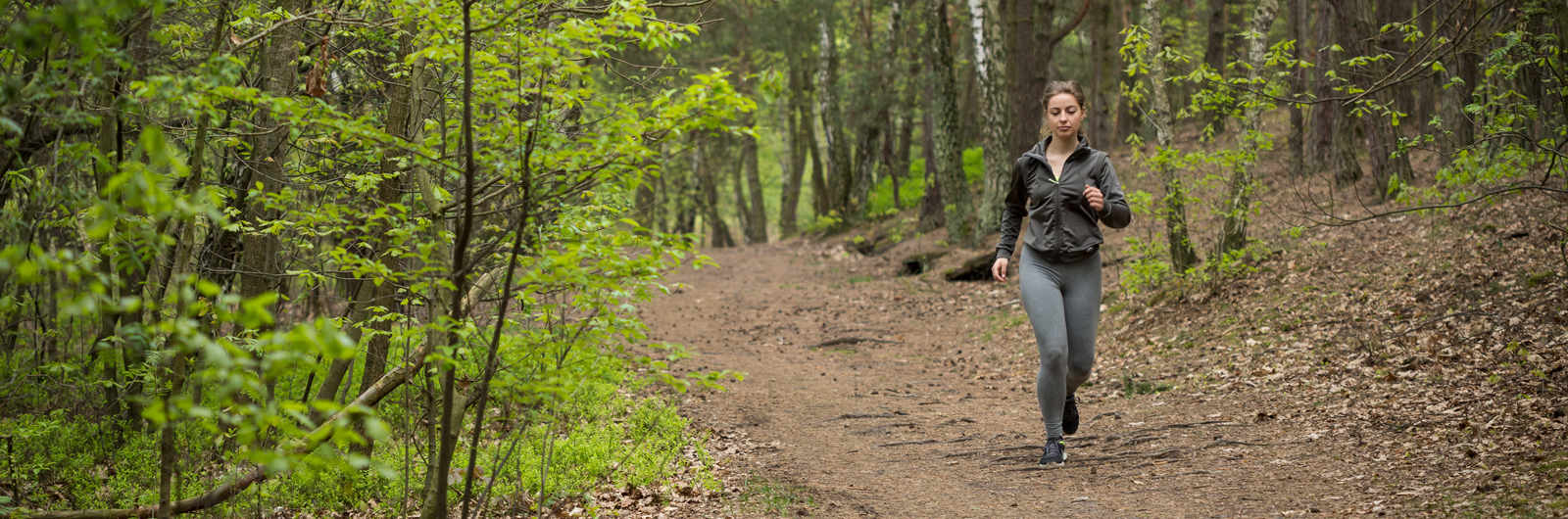
If you have an uncomplicated pregnancy, it is really important to exercise during pregnancy. In the early to mid 1900s exercise was discouraged in pregnant women. In 1985, women were advised to not exercise more than 15 minutes at a time. Since then, there has been increasing research and changing guidelines to support that exercise is actually of benefit not detriment to the mother and child. There are medical complications however that make exercise a contraindication in pregnancy (see below), so you should obtain clearance from your obstetrician/ doctor or midwife before commencing an exercise program.
“If you have an uncomplicated pregnancy, it is really important to exercise during pregnancy.”
The medical conditions where a pregnant woman should not exercise at all are [1]:
Haemodynamically significant heart disease
Restrictive lung disease
Severe anaemia
Incompetent cervix or cerclage (stitching of the cervix if it is incompetent). See the future blog Incompetent cervix for more details
Multiple gestation at risk of premature labour- get your doctors ok to exercise
Persistent second or third trimester bleeding
Placenta previa after 26 weeks gestation (see the future blog on Placenta previa)
Premature labour during current pregnancy
Ruptured membranes (waters broken)
Preeclampsia or pregnancy induced hypertension (see the future blog Pre-eclampsia to see how exercise can prevent this).
Exercise guidelines for healthy pregnant women
For healthy pregnant women with no complications, the latest American College of Obstetrics and Gynaecology (ACOG) exercise guidelines for pregnant women (2015) [1] suggests:
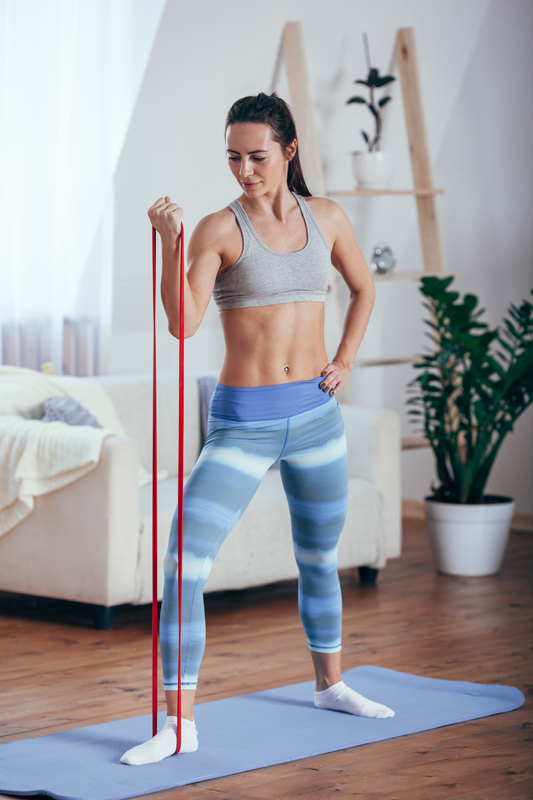
Women with uncomplicated pregnancies should be encouraged to engage in aerobic and strength conditioning exercises before, during and after pregnancy.
An exercise program that leads to an eventual goal of moderate intensity exercise (equivalent to brisk walking- breathing hard and breaking a sweat) for at least 20-30 minutes per day (150 minutes/ week) on most if not all days of the week should be developed.
Physical activity in pregnancy has minimal risks and has been shown to benefit most women, although some modification to exercise routines may be necessary because of the anatomical changes of your pregnant body and foetal requirements.
A thorough medical examination from your obstetrician and other obstetric care providers should be performed before any exercise program is recommended.
“...eventual goal of moderate intensity exercise... for at least 20-30 minutes per day (150 minutes/ week)”
A study by Bauer et al (2010) showed 84% of obstetricians were not aware of the correct exercise guidelines [2] so you may find your doctors contradicting this information so please forward them the link to this information if you get any objections.
Unfit pregnant women and women hoping to become pregnant
For those who are unfit, overweight or previously sedentary prior to pregnancy, you should look at preconception and pregnancy as a motivating opportunity to gain a healthy lifestyle for your baby and yourself. Eating well and participating in graduated and regular aerobic and strengthening exercise can be safe and help prevent many complications and increase chances of conception in the first place. Exercise helps reduce stress too, which in turn seems to increase your chances of conceiving. I have several patients who are planning to undergo IVF but have been advised to loose weight and get fit first to increase their chances of conception, hence why they are seeing me.
“...you should look at preconception and pregnancy as a motivating opportunity to gain a healthy lifestyle for your baby and yourself.”
Underweight women hoping to become pregnant
Technically before marriage I was considered to be mildly underweight. Shortly after marriage, I gained 4 kg (😊), clicked into the normal BMI, and shortly after that became pregnant. This was probably just coincidence because I have always had regular periods. However, those who are severely underweight can have trouble menstruating or ovulating due to decreased oestrogen, therefore there is no chance of getting pregnant. It can also decrease the thickness of the endometrium making it harder to carry a baby to term [3]. Dieticians can give you guidance on how to increase weight whilst maintaining adequate but not excessive exercise regimes.
How is exercise going to benefit my baby and I ?
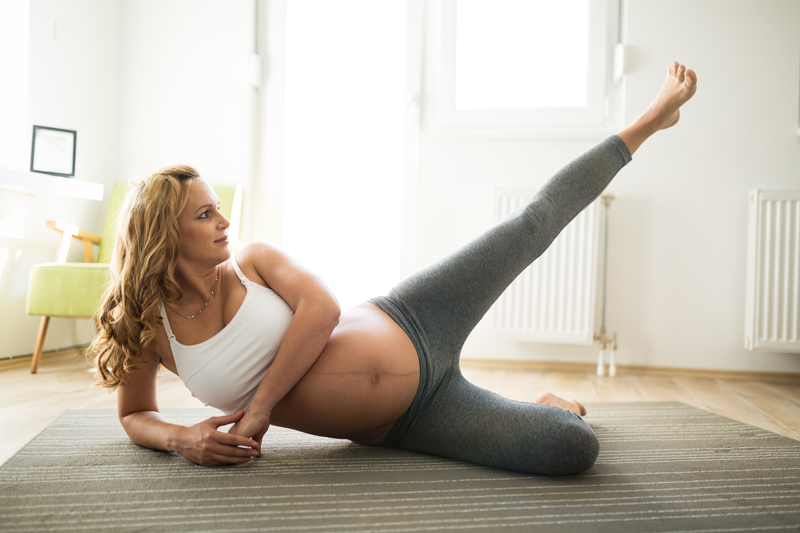
For those women that exercise 3 or more times per week between 17 to 21 weeks of their pregnancy had a decreased chance of low back pain or pelvic girdle pain at the later stages of pregnancy (32 weeks).
It promotes healthy weight gain during pregnancy
It increases post-partum recovery and weight loss as well as a healthy weight later in life.
Labour time and delivery complications are decreased.
There is less foetal distress in labour as the baby is used to the increased heart rate of their Mum
Exercise decreases the risk of pre-eclampsia
Exercise decreases the risk of caesarean section
Decreases the risk of pre term birth
Decreases the chance of a having a baby with excess or low birth weight.
Exercises promotes sleep
Exercise decreases the risk of post-natal depression [4].
So what are you waiting for? After medical clearance seek out a physiotherapist that can guide you on an appropriate, medically reasoned, exercise program to improve fitness, strength, and general health for you and your baby.
Summary
Exercise is recommended before, during and after pregnancy unless you have one of the listed contra-indicated medical conditions
If healthy, exercising moderately for 20-30 minutes/day is recommended
Exercise can help prevent several serious medical conditions suffered in pregnancy and even help treat them
Exercise has many benefits for the mother and baby antenatally and postnatally
References
Bauer PW, Broman CL, Pivarnik JM. Exercise and pregnancy knowledge
among healthcare providers. J Womens Health. 2010;19(2):335–41.)
https://www.conceptionadvice.com/underweight-and-fertility/
Women’s, Men’s and Pelvic Health Group, Australian Physiotherapy Association talk, “Exercise in Pregnancy”, 2017

Melli Tilbrook is a Physiotherapist based at Adelaide Physiotherapy and Pilates Studio, Beulah Park.