


Pre and postnatal Physiotherapy standards are dropping
/Funding cuts have eliminated much needed physiotherapy services for Mums.

When I started working as a physiotherapist 14 years ago times were different. Back in my day, every patient in the public hospital I worked at in country Victoria, received physiotherapy prenatally in a class and individually postnatally. If there were any issues they were offered outpatient physiotherapy.
When I had my baby this year in 2016 I went to possibly the best private hospital in Adelaide where the service and experience was second to none, but there was no postnatal physiotherapy unless you requested it and no complimentary outpatient physiotherapy.
This is nothing at all against the beautiful hospital and staff but it is rather a comment on the times. Support is variable but generally funding cuts to health have cut down allied health services considerably across most hospitals.
My comment is, is that physiotherapy is so useful pre and postnatally for so many reasons but something we have to seek out ourselves to gain full recovery for ourselves and our babies. Many people are not aware of what you can get help with or who to see. Look below to see if physiotherapy could help you.
Manual physiotherapy for any musculoskeletal pain
In particular, areas that are commonly painful during pregnancy and as a new Mummy are:

Neck: common with breastfeeding and poor posture
Thoracic Spine: common with holding your baby, breastfeeding and poor sitting postures
Lumbar Spine: common during pregnancy and as a new mother due to loosened ligaments, pregnancy posture, abdominal weight gain and reduced strength due to decreased activity.
Pelvis: common during pregnancy and as a new mother due to loosed ligaments and reduced strength due to decreased activity.
Coccyx: coccyx dislodgement can occur with normal vaginal delivery causing pain with sitting, sex etc. Physiotherapy can treat the coccyx and pelvic floor which the coccyx attaches to. Read the next blog on A real pain in the bottom for more details.
Carpal Tunnel Syndrome – common in pregnancy if you suffer from swelling.

Mastitis
Women's Health Physiotherapists can diagnose if the breast tissue has a blocked duct, is inflamed or infected and advise on the appropriate treatment.
They can educate on self massage and other appropriate treatment such as ultrasound, massage or taping.
Abdominal (Linea Alba) Separation Assessment and Treatment
Separation of the abdomen happens often during pregnancy and you need to make sure it has closed before resuming some exercises otherwise the separation can get worse and sometimes irreparable. Physiotherapists can measure the separation.
Progressive individualised exercise program designed by a physiotherapist to help the separation close and strengthen.
Core Assessments, Education and Training
Physiotherapists can teach you how to properly activate your core to avoid switching on your core incorrectly and doing more damage to your back than good.
Physios can teach you how to strengthen your core to support weakened pregnancy ligaments, your back and pelvis.
Physios can teach you and devise programs for you to strengthen your core to support good posture and help you lift your baby now and keep up with them later down the track.
“Women’s Health Physiotherapists can not only teach you how to strengthen your pelvic floor... but teach you how to relax the pelvic floor... with potentially less risk for perineal tears and long term scar damage...”
Pelvic Floor Assessments, Education and Training
Women's Health Physiotherapists can not only teach you how to strengthen your pelvic floor for after child birth but to teach you how to relax the pelvic floor during child birth to make childbirth easier with potentially less risk of perineal tears and long term scar damage.
Physios can teach you how to re-educate your pelvic floor after child birth. Perineal tears, stretching or nerve damage on vaginal delivery can make it hard to activate your pelvic floor that has most likely weakened.
Continence training
Women's Health Physiotherapists can assess the type of incontinence you might have, treat any associated issues and work on a strengthening program.
Individualised manual handling assessments and education
Physiotherapists can give advice on how to move well when moving your baby in and out of the cot, car seats, high chairs etc.
Individualised Exercise Programs
After listening to your goals, measuring your current strength and treating any physical deficits that are preventing your from reaching your goals, Physios can tailor design, monitor and progress a program just for you.

Small Mother’s Group Physiotherapist lead Exercise Classes
Physiotherapists can offer Mums and Bubs classes for strengthening and socialisation with other Mums.
Relaxation
Physiotherapists can give you a relaxing massage or meditation session which may be just what you need in this often stressful time
Massage
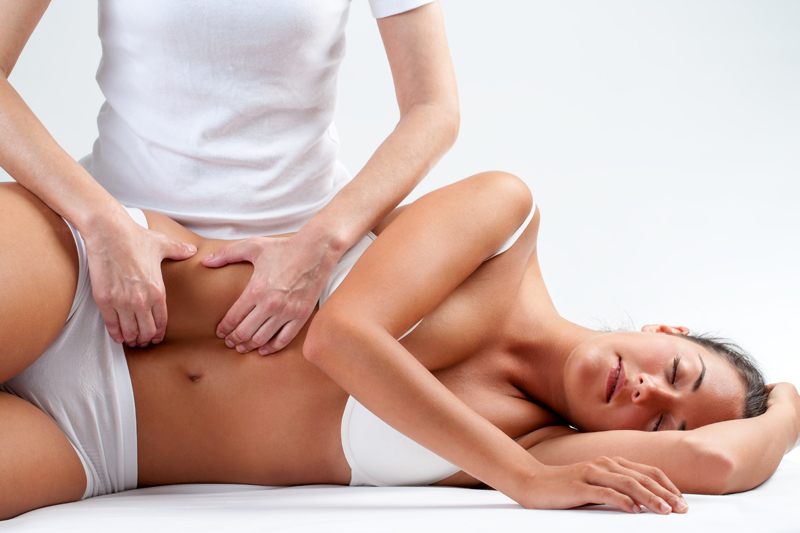
All physiotherapists can offer relaxation or therapeutic massage.
Physiotherapists can offer relaxation massage to de-stress you or therapeutic massage to treat any tight muscles you have from pregnancy or motherhood.
Physiotherapy for your baby
Torticollis- your baby could have a twisted, tight neck that makes It hard to turn their head which can have an impact on breastfeeding, colic and plagiocephaly. Physiotherapy can treat the muscle tightness and give stretches and advice to fix this.
Plagiocephaly – your baby could have a flat spot on their skull from poor positioning in the uterus or post birth from torticollis or sleeping/ playing in one position too long. Physiotherapy can give advice on how to fix this.
General paediatric assessments and advice and referral to specialised paediatric physiotherapists for more complex issues.
Physiotherapy should be standard issue but it is not. Seek it out if you can.
Summary
Physiotherapy used to be provided to pregnant and new mums but funding cuts make this service not so prevalent.
Physiotherapy can be very useful for pregnant and post natal women to assist in the many ways described above.

Melli Tilbrook is a Physiotherapist based at Adelaide Physiotherapy and Pilates Studio. Beulah Park.