


Switching on your core the proper way
/Are you one of the massive proportion of people that are actually doing damage rather than good by activating your core incorrectly?
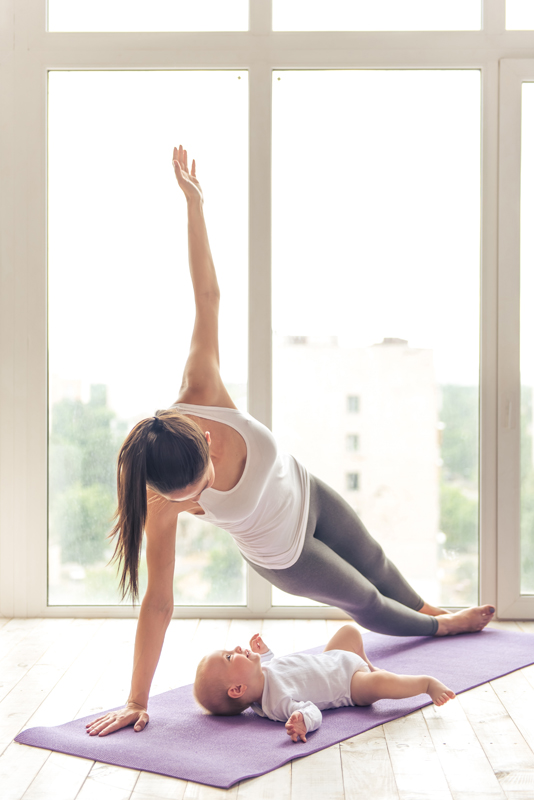
There is a massive proportion of the population that don't know how to actively switch on their core. Those that don't suffer back pain often unconsciously switch on their core correctly but those with back pain very often don't. If the core is switched on incorrectly damage can be caused to the spine.
Do you think the best core contraction is sucking in your stomach and holding with every stomach muscle you have? As tight as you can? Well hopefully you said no.
There are good and bad of us in every profession but I have had so many patients with back pain demonstrate what their personal trainers have taught them with regards to switching on their core and I am saddened but now no longer shocked.
Even more have gym class instructors telling them to switch on their core with no individual guidance at all. The individual has no idea and is actually likely to be doing harm to their back with ineffective core contractions rather than good.
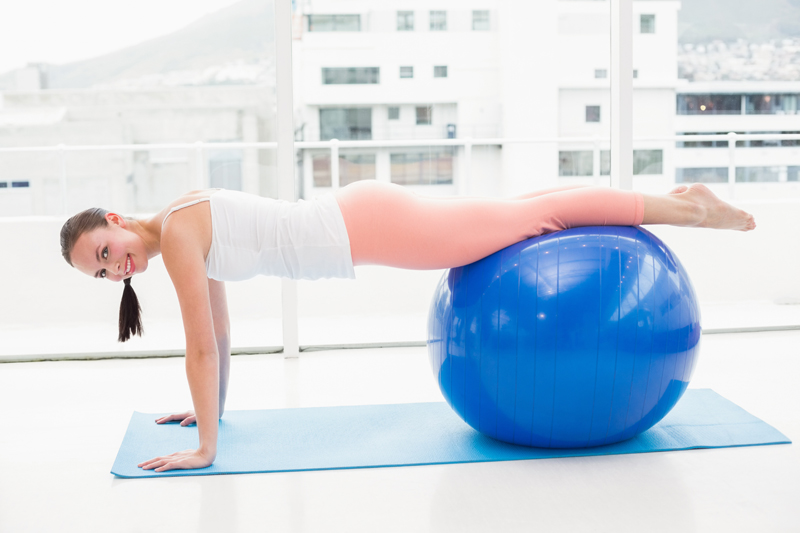
Is it ok to feel back or neck tightness/ fatigue/ lactic acid with the plank? No. The majority of gym goers are asked to do the plank as a core exercise, which is such an advanced exercise not suitable for many levels of core fitness, yet one of the first exercises given. The plank is not meant to be working the back muscles primarily yet if you feel the lactic acid there they are the muscles you are working, and therefore not your core, and causing more back tightness rather than support.
“the plank is such an advanced exercise not suitable for many levels of core fitness...”
Do sit ups work the core? Do sit ups help back pain? No. They work the superficial abdominal muscles, the rectus abdominis, which have no association with the back at all.
All common misconceptions. Switching on the core properly is hard for many, especially those with back pain.
It takes a physiotherapist to feel your core (with their hands or ultrasound) to check that it and all its components are working correctly, being activated at the right time and being held throughout the contraction.
Physiotherapists can measure what your individual core strength is and give you a tailored program for your appropriate level of strength. They can then progress these exercises when appropriate by remeasuring your strength progressions. Working at the wrong level will give you back pain rather than alleviate it.
In this blog I will tell you how to switch on your core but I cannot recommend highly enough to get an individual assessment and program.
The core is made up of the deepest abdominal muscle the transverse abdominis (TA) which runs from the pubic symphysis (pubic bone) at the front and runs horizontally around the abdomen to insert via fascia to the spine. Hence with its attachments and encompassing the abdomen, it acts like a back brace or corset to support the back.
This is the most commonly known muscle but is often contracted along with the rectus abdominis, which as mentioned before, offers no support to the back.
To contract the TA, the muscles are best felt on the inner side of the front hip bones. Whilst lying on your back or on your side with your knees bent, put your second and third fingers on your stomach just next to the front hip bone. Have a cough and feel the tension under your fingers. This is what you are trying to feel contract when you do the exercise. Now, rotate your pelvis trying to use these deep muscles, not your rectus abdominis (“6 pack”) or gluteus maximus (butt) muscles, so that your low back flattens and your tummy gets tucked in. Try and hold this contraction for 10 seconds while maintaining normal breathing then relax. Repeat repeat repeat.
“The TA inserts into the spine... acts like a back brace or corset to support the back...”
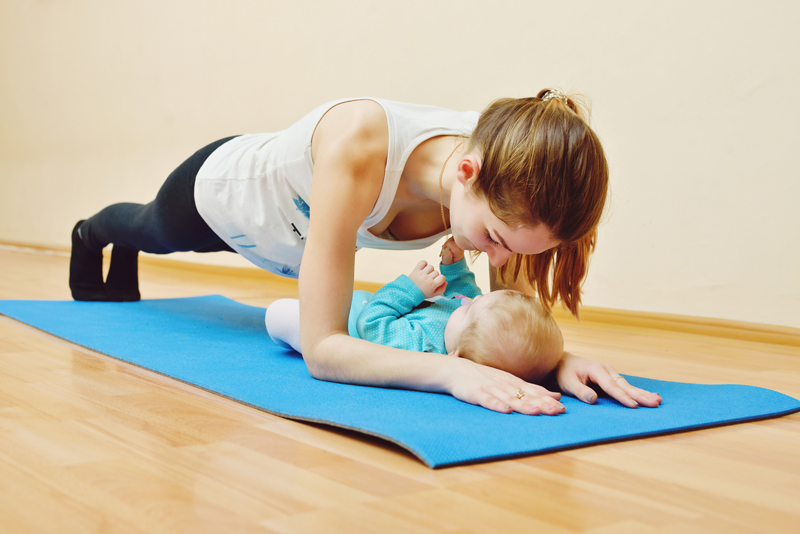
There is another core muscle that is equally as important but often forgotten by many, including sadly, many physiotherapists.
If this muscle is not contracted with the transverse abdominis, the spine can sheer forwards which is the most damaging force on the back!
This muscle is the multifidus, tiny little muscles that run either side of every spine in the back. I always say to contract the multifidus try to zip up the core corset by drawing the two sides of your back towards the spine.
What happens in 90% of cases I see is that the main back muscles, the erector spinae, are contracted instead or with the multifidus. Again like planks incorrectly recruiting these back muscles, these poor execution of core exercises, tightens rather than relaxes the back we are aiming to support. So please try these exercises at home but you are quite likely to do them incorrectly without a good physiotherapists assistance.
Believe it or not but the pelvic floor is also a major core muscle and needs to be activated at the same time as the transverse abdominis and multifidus to offer optimal core support. See my blog on Pelvic floor strengthening and stretching - my story.
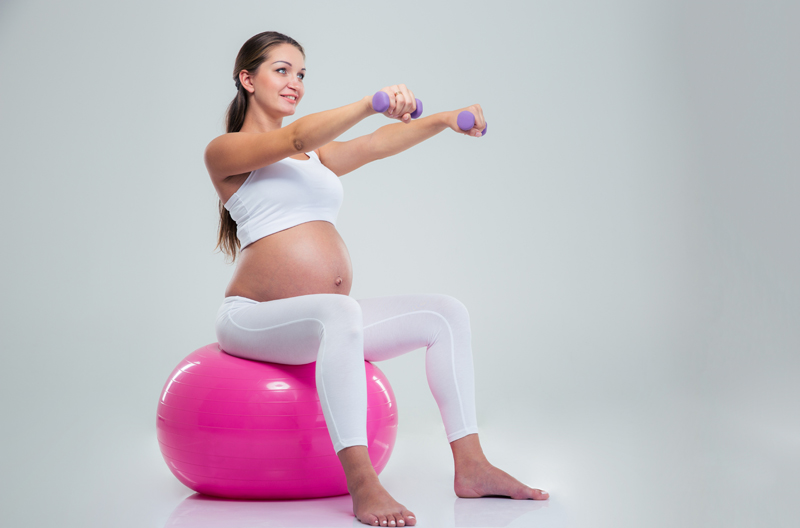
The lower internal obliques and erector spinae are also used for back stabilisation by exerting low levels of intra-abdominal pressure.
When moderate levels of intra-abdominal pressure are required, for say lifting something light, the above muscles, but also the external obliques should be recruited.
For high loads, high levels of intra-abdominal pressure are needed to stabilise the back so in addition to the above muscles the diaphragm will be contracted by holding the breath in inspiration.
If, however the diaphragm is regularly contracted to stabilise with lower loads instead of the primary core muscles, new musculoskeletal pains and problems can start like headaches and upper back pain because other muscles will have to assist the breathing role of the diaphragm.
That is quite complex anatomy. I am not trying to confuse you but hopefully it highlights the complexity of the core and how important getting it right is. If we are recruiting it the wrong way, we could end up with more musculoskeletal issues rather than less. The hardest muscles to learn to contract are the most important ones to contract; transverse abdominis, multifidus and pelvic floor. See your physiotherapist to prevent rather than create back pain.
Summary
Sit ups or sucking in your stomach as tight as you can do not activate the core or support the back.
Many people suffer back pain simply because they are not activating their core correctly.
Switching on the core is often taught incorrectly. A physiotherapist can show you how.

Melli Tilbrook is a Physiotherapist based at Adelaide Physiotherapy and Pilates Studio, Beulah Park.