


Primitive reflexes
/What primitive reflexes should your baby display and when should they disappear?
There are a few primitive reflexes which are tested to be present in your baby when they are born. These reflexes develop in the immature foetal brain which serve to protect the immature child when they are born for the first few months and their brain is still developing. These reflexes are then diminished as new permanent mature reflexes take over with the maturing brain. These reflexes are called Postural reflexes.
All the reflexes are automatic unconscious actions and developed in the brain stem part of the brain. It is really important to do certain exercises to help the development of these reflexes because the nerve pathways have to pass through the brain stem to reach the parts of the brain where conscious actions like thinking, movement etc take place (the cerebral hemispheres).
If there is immaturity/ poor development of the reflexes this can have an effect on not only balance and posture for all motor activities, but also sleep, immunity, energy levels, impulse control, concentration and social, emotional and intellectual learning. https://suehyland.co.uk/ond/primitive-reflexes/
The science is quite complex and I am not going to go in to detail but if you are interested look at the attached reference. However please read more on how to assist your child with their reflex development by reading the GymbaROO and Vestibular Exercise blogs.
“It is really important to do certain exercises to help the development of these reflexes...”
Primitive reflexes are definitely not my area of expertise but I thought I would do some research for you (as well as myself as a mother) and let you know what I found. The human body continues to fascinate me. These reflexes even though primitive serve a wonderful purpose to help the vulnerable baby survive.
“These reflexes even though primitive serve to... help the vulnerable baby survive...”
Moro reflex
If there is a sudden movement of the head in a forward/ backwards motion the baby will suddenly extend their limbs, take a big gasp, then flex their body and cry. Stress hormones cortisol and adrenaline are released which increases blood pressure etc. It is an early protective reflex. This is not something we want to be doing to our baby as release of these hormones has a poor effect on the body and is mean! This reflex should resolve by 4-6 months.
Rooting reflex
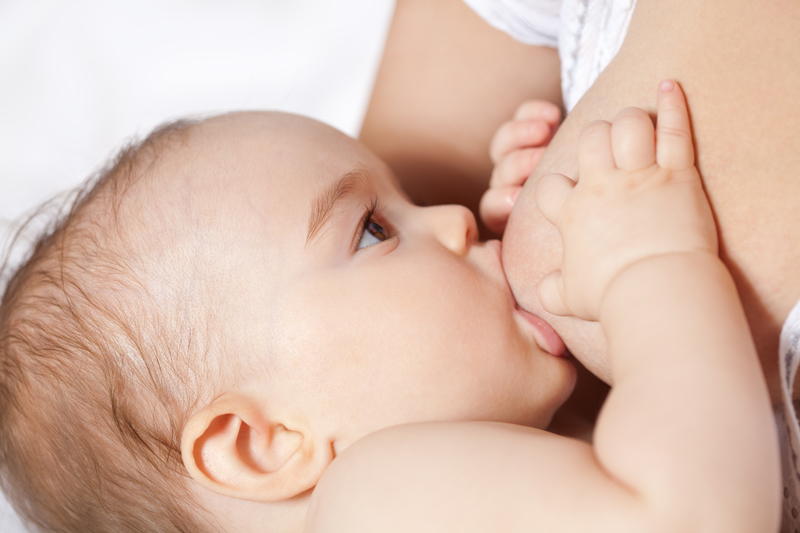
If you touch your baby’s cheek they will turn their head to your finger. This is designed to help babies find food. The reflex diminishes by 3-4 months.
Sucking reflex
A baby knows how to automatically feed from the breast as when you put your nipple/ bottle in her mouth she will automatically start sucking. Amazing isn’t it?! This resolves at 2-4 months.
Grasp reflex
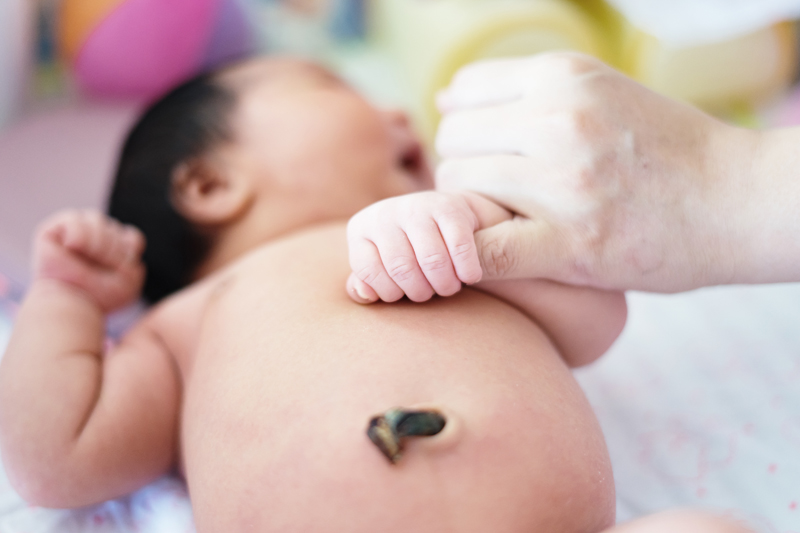
Your baby will grasp and hold your finger if you touch her palm. They can’t release the grasp. This lasts to about 3-6 months. Misaki would grab my hair and not let go. If you are ever in that predicament with your hair or pearls, my OT friend reminded me that to release their grasp flex their wrist (bend hand down) and this will release their grasp.
Babinski reflex
Babinski reflex is something that we use in adult physiotherapy to test for spinal cord or brain damage. In the baby’s primitive reflex, the foot should turn inward and the toes extend up. The normal response from 12-24 months and in adults therefore, is when the sole of the foot is stroked from the heel to the big toe the foot and toes flex. If this doesn’t happen there could be neurological damage. I would not do this yourself though as there is skill in performing the test and you may get a false positive test and cause yourself unnecessary worry.
Stepping reflex
This is one of the first signs when we think our baby is extremely gifted, that she has just been born but she can walk if held. Unfortunately, she is not a baby genius but this is yet another reflex that if you hold your baby upright with their feet in contact with a surface they will lift one foot and then the other as if they are walking. This reflex may help in the later development of walking. The reflex is lost at around 2 months.
Please don’t go practice their walking before they are walking themselves! This is not good for their bone, muscle, ligament or nerve development. Let them walk when they are ready.
Asymmetrical Tonic Neck Reflex (ATNR)
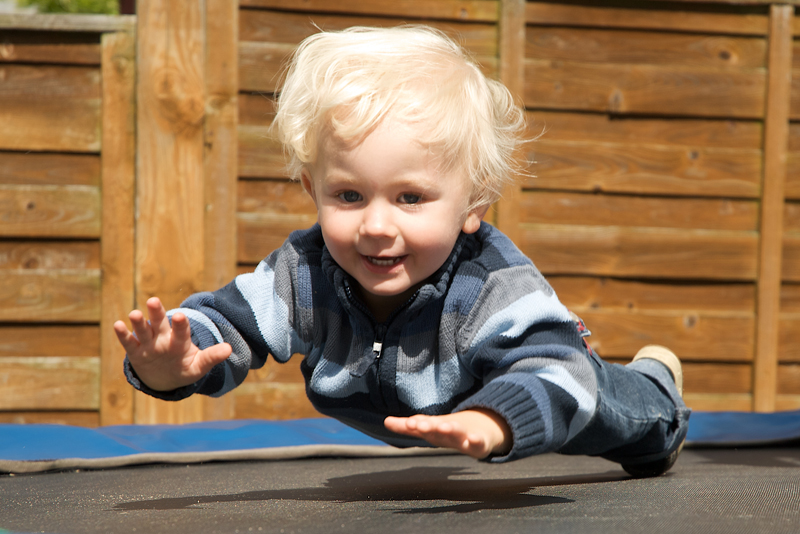
ATNR is when the baby’s head is turned left or right, the limbs on the face side will straighten (extend) and the limbs on the head side will flex (bend). The eyes will also look to the extended hand which later helps with hand eye coordination and limb movement. This reflex starts from birth to 2 months and disappears from 4-6 months.
Tonic Labyryinthe Reflex (TLR)
TNR is when a baby’s head is flexed the body flexes and if the head is extended the whole body will extend. This should resolve by 8-12 weeks. If this reflex does not diminish there can be problems with the mature head righting reflex, the reflex that causes you to turn your head upright if you are tipped upside down. Before 8-12 weeks a baby would keep their head down. Please don’t try this at home!
https://www.whattoexpect.com/baby-behavior/newborn-reflexes.aspx is a nice lay person’s article on primitive reflexes if you want more information.
These reflexes are more than likely going to be superseded by the mature reflexes but if not can leave certain characteristics/ challenges/ learning difficulties in children and adults. There are many which I will not go in to. If you are concerned that your baby is retaining the Primitive reflexes, see a Paediatrician, Paediatric Physiotherapist or GP to have this further assessed and as I mentioned before get involved in GymbaROO especially Vestibular exercises.
Summary
Poor development of the mature postural reflexes can have an effect on balance, posture, sleep, immunity, energy levels, impulse control, concentration and social, emotional and intellectual learning!
It is important to develop your babies mature reflexes with certain exercises so see my blog on Vestibular Exercise and GymbaROO for help on this.
If your baby appears to be retaining the Primitive Reflexes above get your baby assessed by your Paediatrician, GP or Paediatric Physiotherapist.

Melli Tilbrook is a Physiotherapist based at Adelaide Physiotherapy and Pilates Studio, Beulah Park.